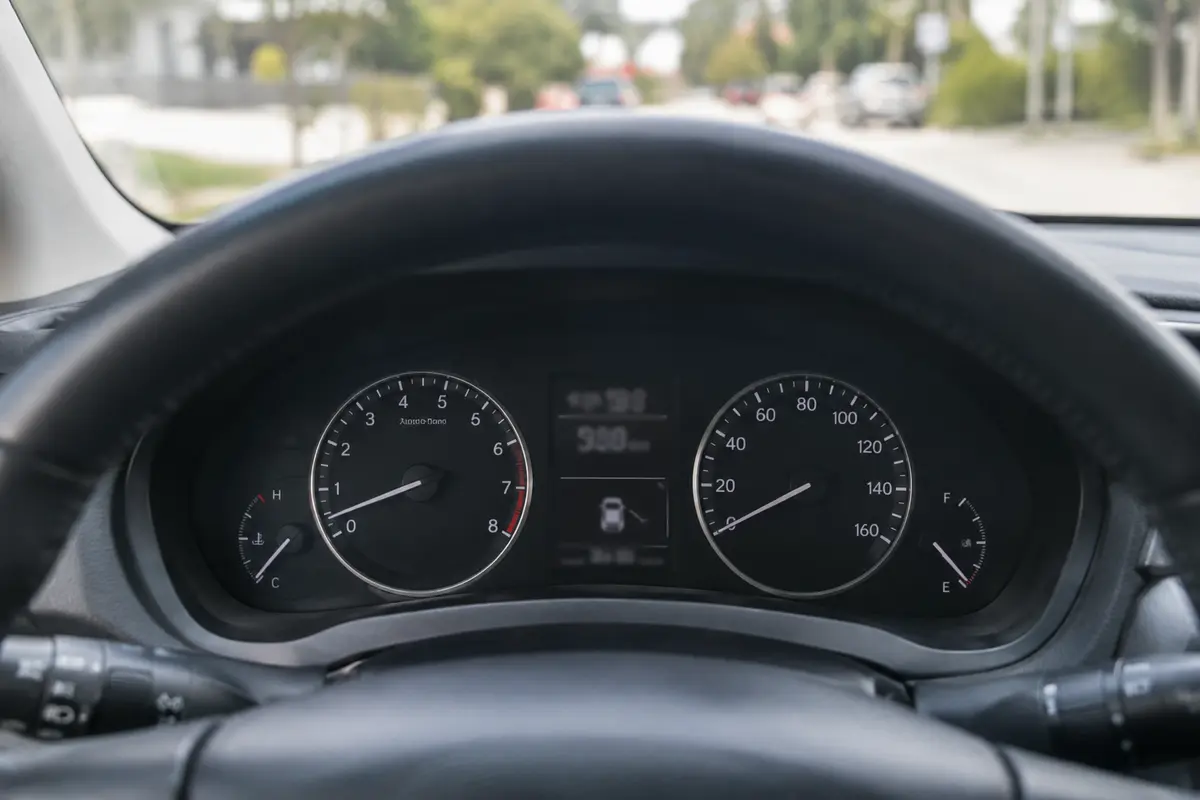
Mileage and age measure different kinds of exposure. Miles add running hours, heat cycles, suspension movement and wear; calendar age hardens rubber, ages fluids, corrodes metal and weakens batteries even when the car sits. The better question is not “which matters more?” but “does this car’s pattern of use make sense, and did maintenance keep pace with both time and distance?”
A common shopping shortcut is roughly 12,000 miles per year. Recent FHWA data puts 2024 vehicle use at 11,071 miles per registered vehicle nationally, which shows why the shortcut should be treated as a rough benchmark rather than a grading formula. A car can be far above or below average and still be the better buy once service history and inspection are considered.
Translate the odometer into a usage story
Divide mileage by age only to start the conversation. A six-year-old car with 90,000 miles averaged about 15,000 miles per year; that could mean long highway commutes with regular maintenance. Another six-year-old car with 18,000 miles may have taken mostly short trips, sat outdoors for months, or belonged to a seasonal driver. Ask where the miles came from, then see whether service invoices, tire dates and inspection findings support the story. Consistency matters more than a seller’s label such as “highway miles.”
| Vehicle age | 11,071 mi/year reference | 12,000 mi/year shortcut |
|---|---|---|
| 3 years | 33,213 miles | 36,000 miles |
| 5 years | 55,355 miles | 60,000 miles |
| 8 years | 88,568 miles | 96,000 miles |
| 10 years | 110,710 miles | 120,000 miles |
Low mileage can hide time-based deterioration
A low odometer does not stop brake rotors from rusting, tires from aging, seals from drying, fuel from going stale, or a 12-volt battery from losing capacity. Repeated short trips can be hard on an engine because it spends more time warming up and may not evaporate moisture as effectively as a longer run. On an unusually low-mileage car, inspect tire date codes, brake condition, fluid service by time, evidence of rodent damage, and whether the car can cold-start cleanly after sitting.
High mileage deserves a service-history audit, not an automatic rejection
Higher mileage concentrates attention on components with mileage-based service intervals and wear: suspension joints, wheel bearings, cooling-system parts, transmission service, timing components where applicable, and emissions hardware. Look for invoices rather than verbal claims. A car with 130,000 documented miles and regular fluid changes can be easier to price than an 80,000-mile car with missing records, mismatched tires and an unexplained warning-light reset. The inspection should tell you what the next 20,000 miles are likely to demand.
The kind of miles changes what you inspect first
Long highway use can mean fewer braking events and fewer cold starts per mile, but it can add stone chips, windshield damage and steady high-speed wear. Dense urban use often means more steering, braking, curb impacts, idling and short trips. Rural use can mean gravel, dust or animal strikes. None of these patterns is automatically good or bad. They tell the mechanic where to look and help you decide whether the condition matches the seller’s explanation.
- Highway-heavy story: look for front-end chips, windshield pitting, seat wear and documented long-interval maintenance.
- City-heavy story: pay extra attention to brakes, wheel rash, suspension noise, clutch wear on manuals and cooling behavior in traffic.
- Long-storage story: inspect tire age, battery health, brake corrosion, fluids, seals and evidence of pests or water intrusion.
Use maintenance schedules with two clocks
Many services are specified by mileage, time, or “whichever comes first.” That wording is why a five-year-old 20,000-mile vehicle can still be overdue for a fluid or time-based inspection. Pull the owner’s manual for the exact model and compare it with receipts. If a major service point is approaching, price it as a near-term ownership cost rather than assuming the seller’s “low miles” claim cancels the schedule.
Choose the car with the more believable future
When two candidates are close in price, map the next two years. Candidate A may be older with fewer miles but need tires, battery and fluid catch-up. Candidate B may have more miles but recent tires, brakes and documented servicing. Add the expected work to the purchase price, consider remaining safety recalls and warranty, and let the inspection break the tie. Age and mileage are inputs; condition and history are the evidence.
Two cars, same price: make the next 24 months visible
Picture a choice between a seven-year-old sedan with 34,000 miles and a four-year-old example with 78,000 miles at the same price. The older car wins the odometer contest, but its original tires are near their age limit, the battery is five years old, brake rotors show corrosion, and time-based fluid service is missing. The newer, higher-mileage car has recent tires, documented transmission service and mostly long-distance commuting in its records. Neither fact pattern proves which car will last longer. Write the next two years of likely work for each one and attach rough local estimates. Then add insurance, fuel, recall status and resale expectations. The exercise turns “low miles versus new age” into a cash-flow comparison. When the inspection supports the records, you may reasonably choose the car with more miles because its recent maintenance makes the next chapter easier to predict.